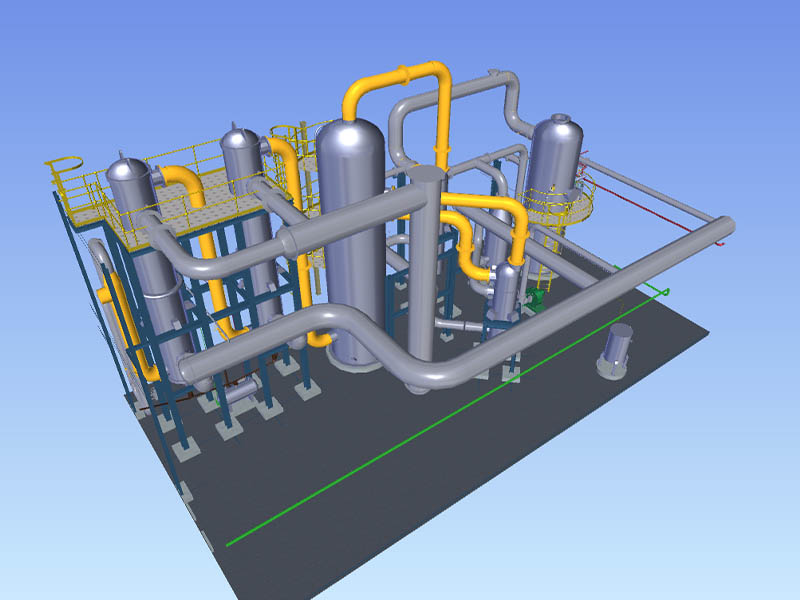
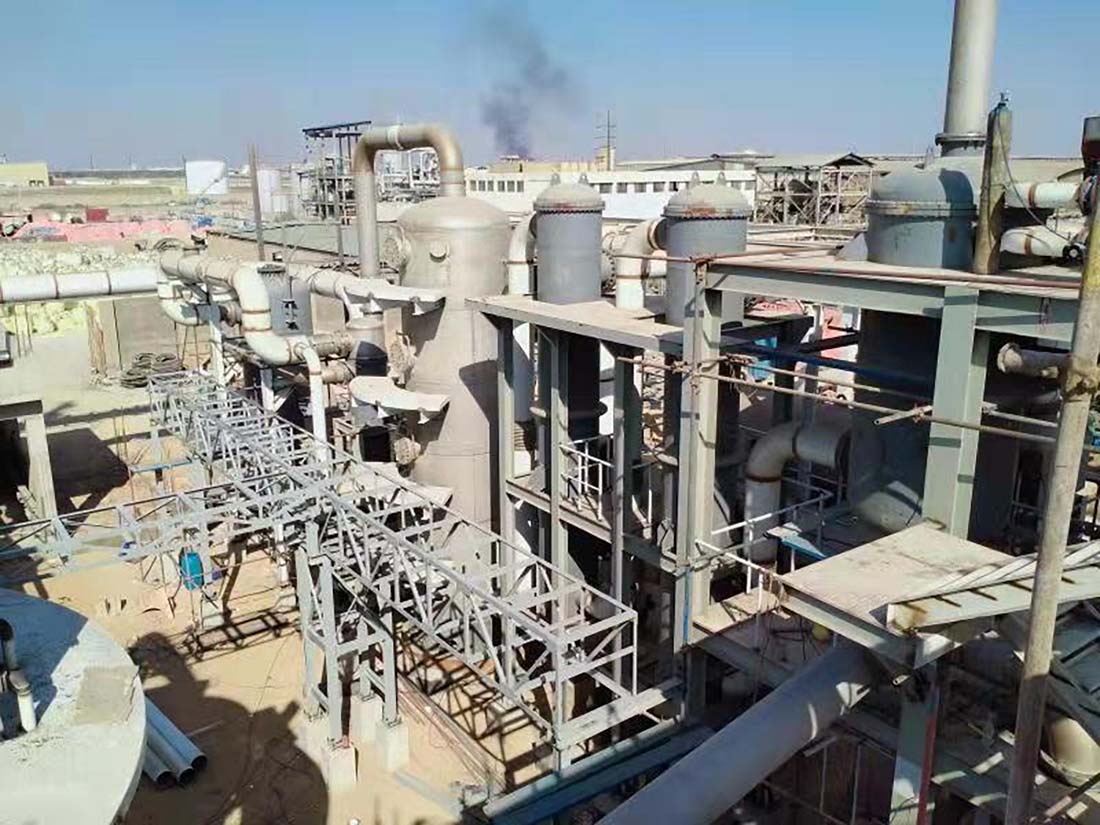
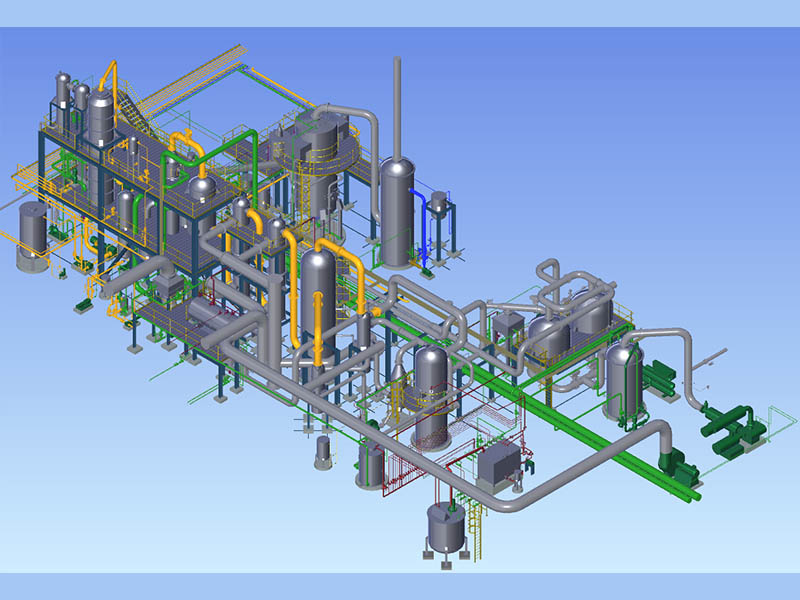
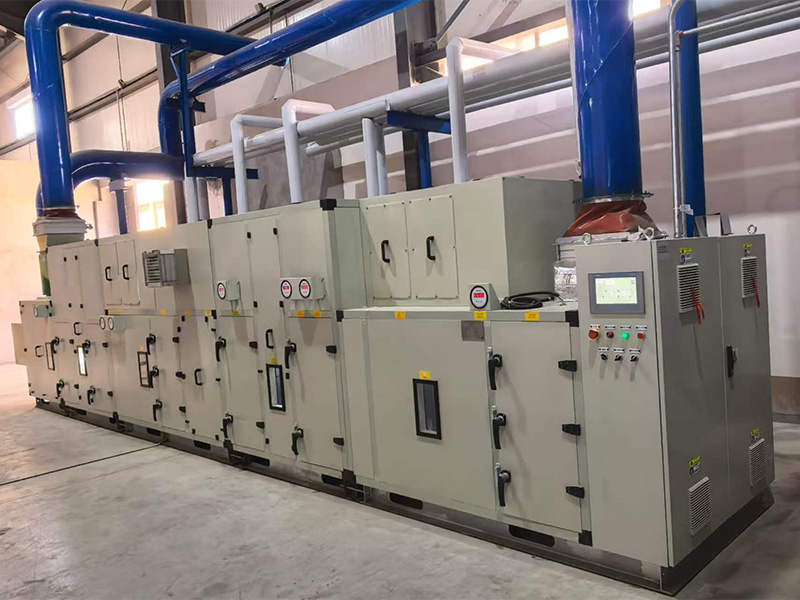
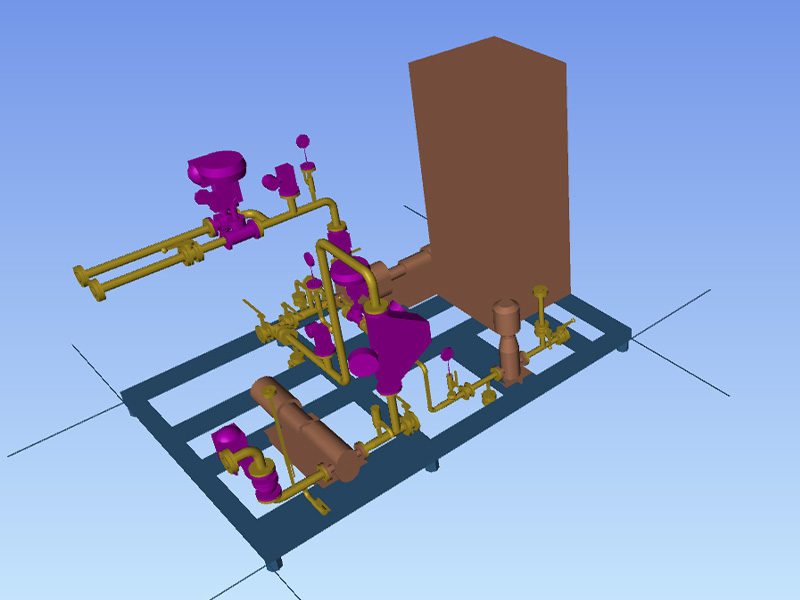
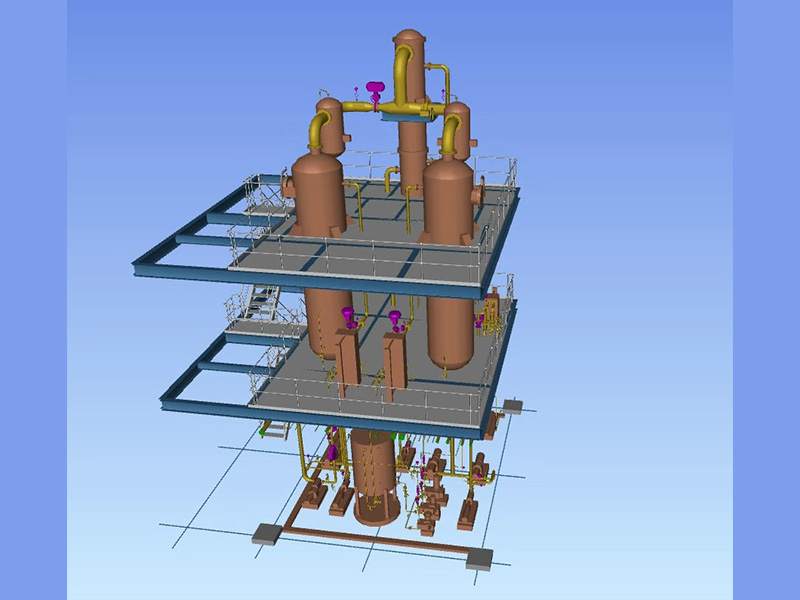
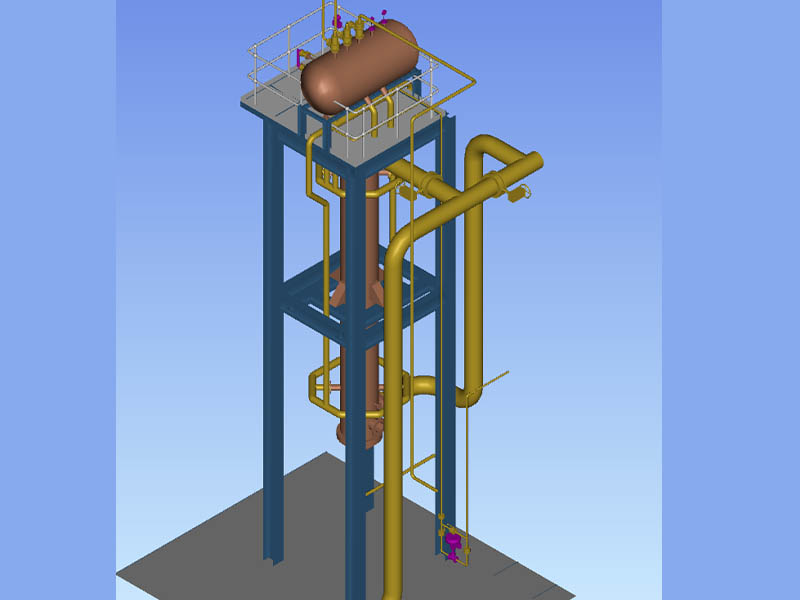
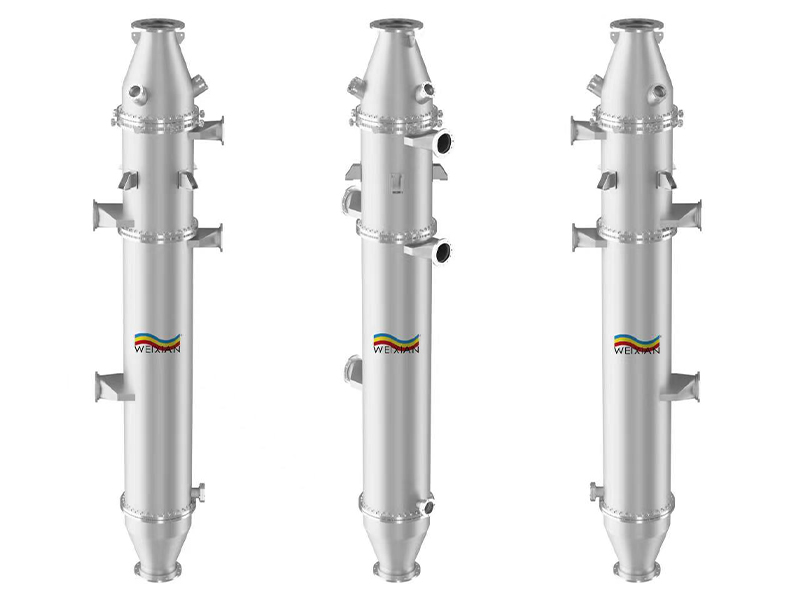
Liquid sulfur is precisely metered and fed to the sulfur burner, where it fully combusts with dry air to generate SO₂. After cooling, the SO₂ gas enters the converter and is converted to SO₃ over a vanadium catalyst. Following further cooling, the SO₃ gas is sent to the sulphonation/sulfation unit. The SO₂ and SO₃ gases are cooled by cooling air in a tube-type heat exchanger; the resulting hot air is collected and routed to the waste heat recovery unit to generate steam and hot water. The secondary hot air is then used for silica gel regeneration and for the evaporation and crystallization of scrubber wastewater in Unit 38.
Features: The SO₂ cooler adopts inlet-end insulation protection and a floating-tube design, which prevents intergranular corrosion of the stainless steel above 600 °C and doubles the service life. By integrating the start-up pre-heater with the waste heat recovery unit, the steam produced during converter preheating is also used for sulfur melting and hot-water generation, so that WEIXIAN plants require no external steam.
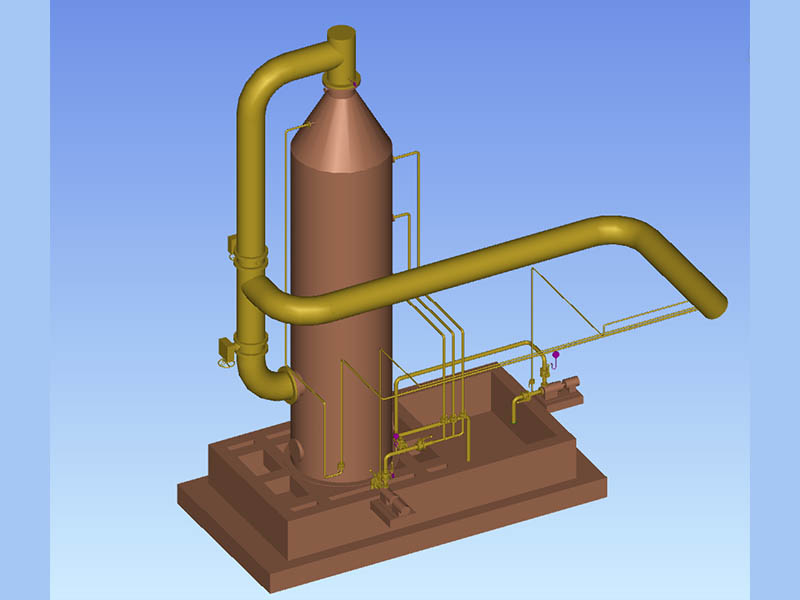
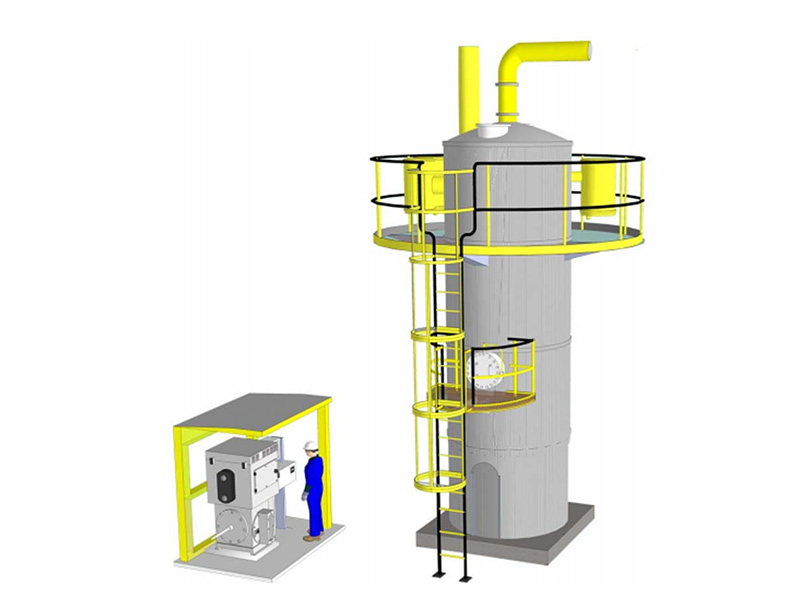
The converter adopts a vertical SS304 stainless steel packed tower structure with a maximum temperature resistance of 700°C.
It delivers stable conversion efficiency, flexible operational adjustment and precise temperature control, and achieves maintenance-free operation. The tower is configured with four packing layers filled with V₂O₅ composite catalysts combining low-temperature and medium-temperature catalytic formulations. This design not only realizes a low light-off temperature but also ensures an SO₂ conversion rate of over 98%. It significantly improves start-up preheating efficiency and reduces preheating duration.
Dedicated thermometer interfaces are reserved at the top and bottom of each catalyst bed to support accurate temperature regulation and sustain high conversion efficiency. Each bed is equipped with a manhole to facilitate on-site catalyst loading and replacement.
WEIXIAN is an engineering company specialized in supplying turnkey sulphonation/sulphation plant and it's technology, focusing on the R&D of LABSA, SLES, SLS, AOS, HABSA, MES and other anionic surfactant production technologies.